The Missing Piece: Why So Many Projects Lack Unit Testing
Over nearly two decades of my software development journey, collaborating with over a hundred programmers across various projects, I’ve often stumbled upon a glaring omission – the lack of unit tests. Despite advancements in software practices, the absence of automated testing – be it unit, integration, or smoke testing, persists in many projects.
The reasons, I have discerned, are multifaceted:
- Inexperience and Lack of Mentorship:
- A significant chunk of this void stems from inexperience or the absence of guidance from seasoned developers. Many budding programmers often find themselves lost in the woods when it comes to the implementation of testing, primarily due to a lack of understanding or mentorship.
- Misconception of Time Consumption:
- There persists a myth that drafting tests is a time-consuming affair that unnecessarily prolongs the development phase. This misconception often deters developers from investing time in testing, thereby compromising the reliability and maintainability of the code.
- Misunderstanding of Test Driven Development (TDD):
- Venturing into the realm of Test Driven Development often proves to be a tough nut to crack for many. The methodology of TDD, although potent, appears daunting to newcomers. Often, they find it difficult to grasp and soon forsake it. Consequently, tests, if written, emerge post-factum and generally provide only rudimentary code coverage.
- Maintenance and Understandability:
- Another stumbling block is the maintenance and understandability of the tests. More often than not, the code for tests is left in a dismal state of neglect when it comes to readability, making the future development and maintenance a dreaded endeavor.
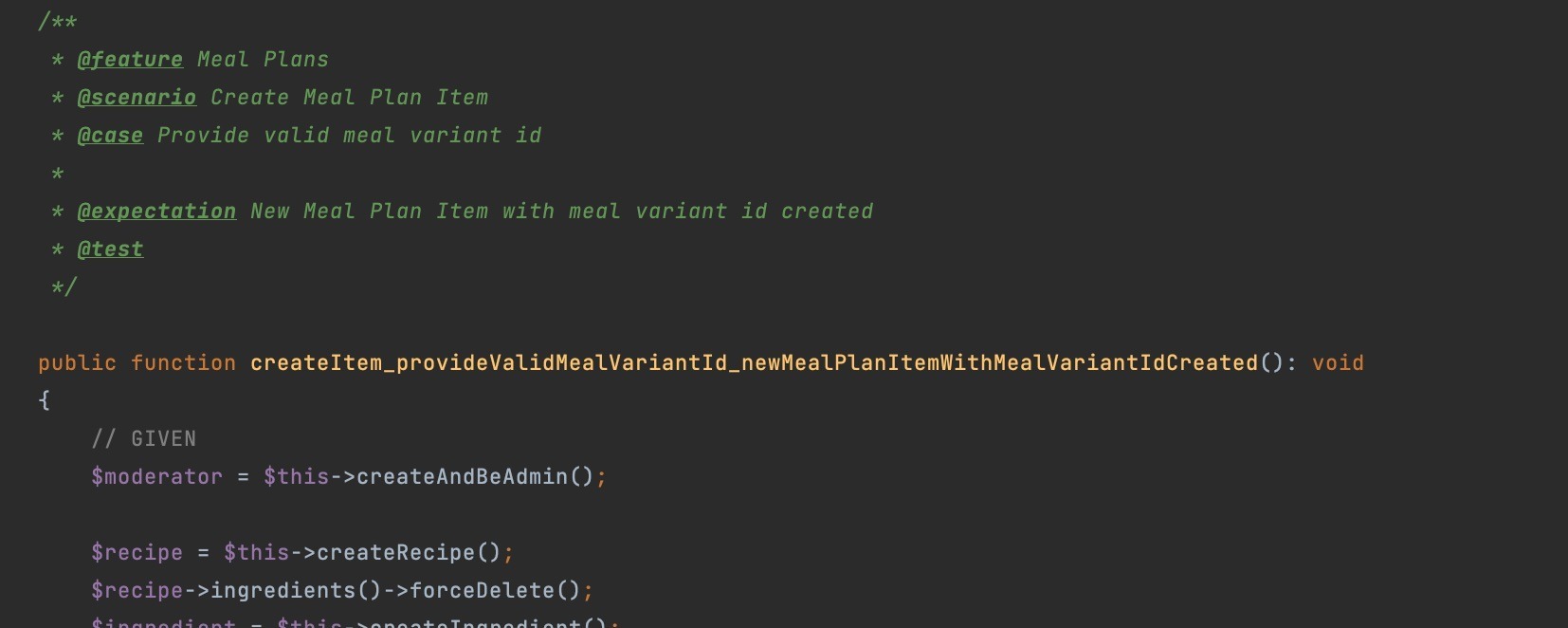
At our hub, Devpark, we pivoted towards a Use Case Driven Approach to explicate our tests. Here, each test succinctly identifies its belonging feature, the scenario it covers, the specific case it tests, and the expected outcome. The elegance of this approach found its companion in UniTree.app, an application that aids us in maintaining a coherent naming convention and organization of these tests. Developers who have seasoned themselves with this approach can hardly fathom constructing any application without encompassing it with tests. This not only streamlines their coding process but significantly eases the later stages of editing, modifying, and maintaining the code.
As we tread towards the end of this narrative, it’s pivotal to underscore that there’s no clean code without a shroud of tests enveloping it. Testing is not just about debugging or validating the code, it’s an ethical commitment to quality, especially in a collaborative environment where teams often evolve over the lifetime of a project. A well-tested code is like a well-tended garden, it grows steadily, remains resilient to bugs (both software and real ones), and is a pleasant endeavor for every gardener (read developer) who tends to it, now and in the future.